Your Ultimate Guide to Choosing the Best Hiking Shoes for Any Trail
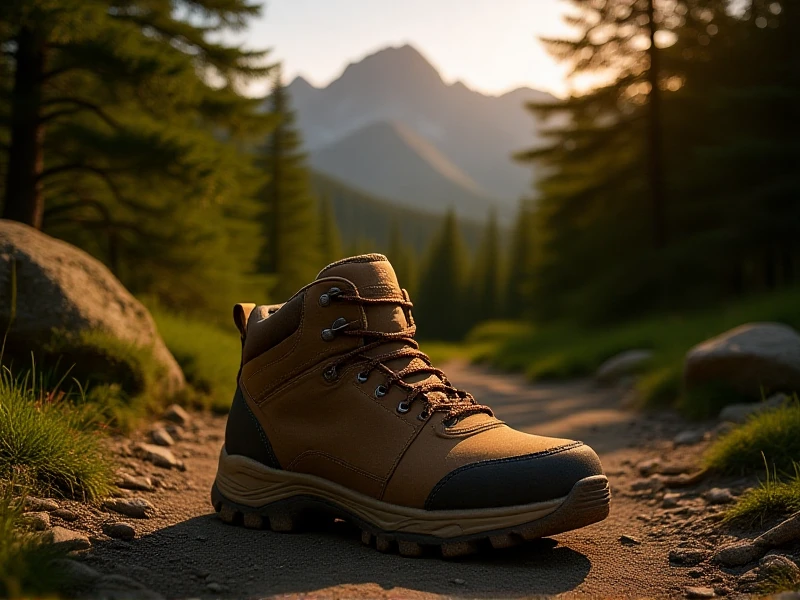
Venturing onto rugged trails demands reliable footwear. Choosing the right hiking shoes isn't just about comfort; it's essential for safety, performance, and truly enjoying the great outdoors. With so many options (boots, shoes, hybrid styles), knowing what works best for your adventures makes all the difference.
Think hiking boots for challenging terrain or heavy loads. Their higher ankles offer crucial stability and support, protecting your ankles from twists on uneven ground. Sturdier construction also shields your feet from roots and rocks, making them ideal for multi-day backpacking trips or technical trails. Don't sacrifice your ankles when tackling demanding elevation or unpredictable paths.
For lighter trails and day hikes, dedicated hiking shoes excel. Offering far more flexibility and breathability than bulkier boots, they feel closer to a sturdy athletic shoe. The lower cut enhances mobility and reduces fatigue on well-maintained paths. This makes them perfect for faster travel over moderate distances where heavy ankle support isn't the top concern. Always prioritize comfort for mile after mile on the trail.
The foundation of any great trail footwear is its outsole. Vibram® rubber or equivalent quality compounds provide essential grip on slippery rocks, loose dirt, and muddy sections. Deep, aggressive lugs act like claws, biting into surfaces for confident traction that prevents slips. A stiff midsole also prevents foot fatigue by distributing weight evenly and protecting from sharp impacts and rocky terrain underfoot.
Protective features matter greatly. Waterproof membranes like Gore-Tex® keep feet dry in wet grass, puddles, and light rain, but remember they reduce breathability. Mesh panels offer excellent ventilation for hot days and drier climates. Reinforced toe caps (toe bumpers) shield your toes from accidental impacts with rocks, while solid heel counters add stability. Proper fit is non-negotiable – try shoes on with hiking socks, and ensure ample toe room for downhill stretches to avoid bruised toenails.
Investing in well-made hiking shoes directly translates to happier feet and longer adventures. Assess your typical terrain, load weight, and distance needs. Prioritize fit, support for your ankles, and grippy soles above all else. Break them in gradually before major trips to prevent blisters. With the right pair on your feet, every trail becomes more inviting.