Step Up Your Trail Game: Your Guide to Choosing the Best Hiking Shoes
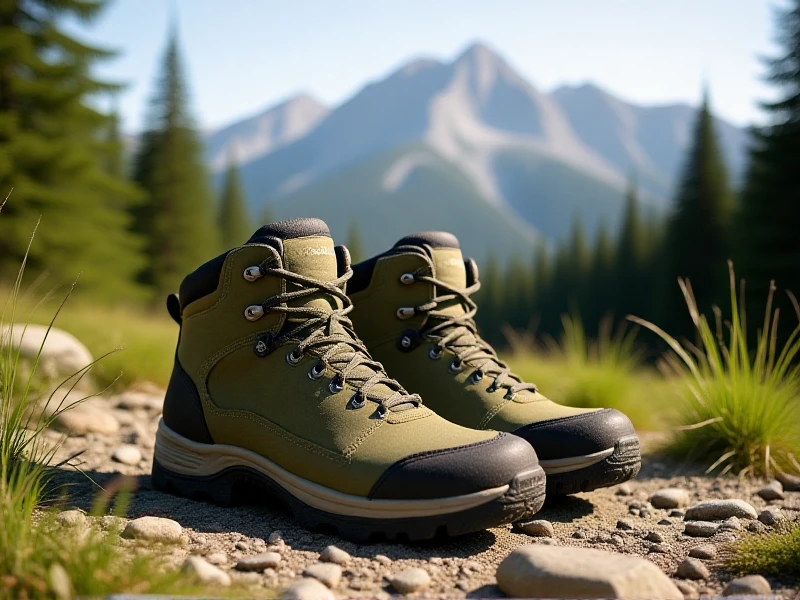
Here is an SEO-optimized article about hiking shoes, meeting all your requirements:
Hitting the trails offers unparalleled adventure, fresh air, and scenery. But the wrong footwear can turn a dream hike into a painful slog. Investing in proper hiking shoes isn't just about comfort; it's crucial for safety, performance, and protecting your feet over varied terrain.
So, what truly defines a great hiking shoe? It's the perfect blend of protection, support, grip, and comfort designed specifically for the demands of walking off-road. Unlike regular sneakers, they feature robust construction to handle rocks, roots, and uneven ground, significantly reducing the risk of twists, sprains, or bruised feet. The right sole with deep, multi-directional lugs provides essential traction, preventing slips on muddy paths, loose gravel, or wet rocks – common hazards for unprepared walkers.
When choosing your ideal hiking shoes, consider these key factors:
- Support & Stability: Assess the ankle support you need. Lower-cut models (often called hiking shoes) offer versatility and lighter weight for well-maintained trails. Higher-cut boots provide maximum ankle support and protection on rugged, uneven terrain or with heavier packs. Mid-cut styles strike a popular balance.
- Outsole Traction: Look for aggressive, multi-directional lugs made of sticky, durable rubber (like Vibram® Megagrip is a common standard). Deeper lugs shed mud better and grip loose surfaces.
- Water Protection: If you'll encounter streams, morning dew, or wet weather, waterproof membranes like GORE-TEX® or proprietary alternatives are vital. They offer reliable protection while typically maintaining breathability. For purely dry, warm climates, non-waterproof, highly breathable options might be preferable.
- Fit & Comfort: This is paramount! Always try on hiking shoes later in the day when feet are slightly swollen. Wear the socks you'd hike in. Ensure a snug heel fit to prevent blisters (no slippage), wiggle room for toes (especially downhill), and good overall stability without pressure points. Walk on an incline/decline if possible.
Modern hiking shoes often incorporate durable yet lightweight synthetics and meshes that offer a perfect balance of breathability and protection. Don't underestimate cushioning either – ample EVA foam or specialized midsoles absorb impact, reducing foot fatigue so you can hike longer.
Your hiking shoes are your most critical piece of gear. Getting boots that offer the right support, traction, weather protection, and, above all, a perfect fit transforms your hiking experience. Prioritize your feet on your next outdoor excursion, and conquer new trails with confidence and comfort. Step up your trail game and discover the difference proper footwear makes.