Your Ideal Trail Partner: Finding the Best Hiking Shoes for Every Adventure
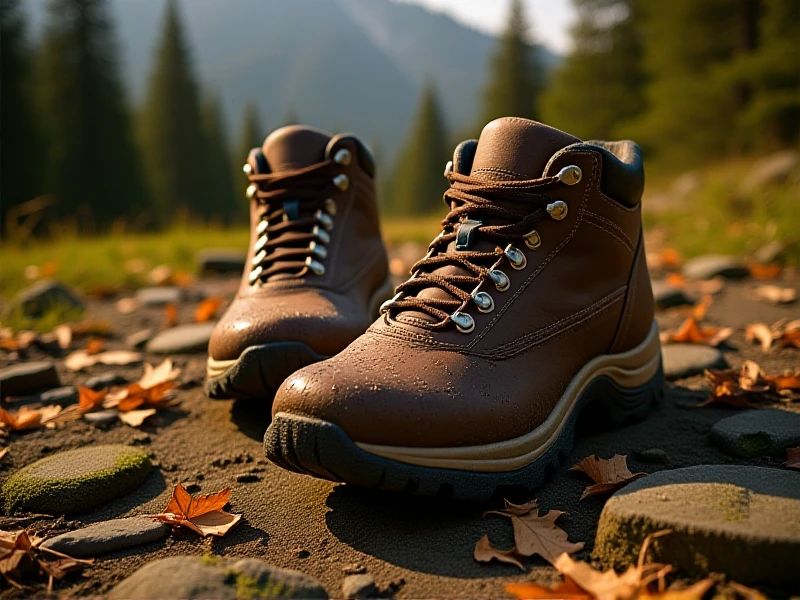
There's nothing quite like the crunch of gravel underfoot, the scent of pine in the air, and the vast horizon opening up before you. But tackling trails demands dependable companions, starting right on your feet. Investing in the right pair of hiking shoes isn't just about comfort; it's about unlocking longer, safer, and more enjoyable wilderness journeys. Forget ordinary sneakers – your feet deserve specialized support for undulating terrain.
Hiking footwear typically falls into three categories:
- Hiking Shoes (Low-Cut): Resembling sturdy sneakers, these lightweight options prioritize flexibility and breathability. Perfect for well-maintained trails, day hikes in dry conditions, or fast-paced approaches. If your adventures focus on less technical terrain and you crave agility, lightweight hiking shoes are often the top choice.
- Hiking Boots (Mid to High-Cut): Offering enhanced ankle support and greater durability, these are workhorses for varied or rugged trails. The mid-cut style (around the ankle bone) provides balance, while traditional high-cut boots offer maximum support for heavy packs, uneven ground, or traversing scree slopes. Ideal for multi-day treks or technical terrain.
- Trail Runners: Ultra-lightweight and highly flexible, these prioritize speed. Best suited for experienced hikers on predictable, well-maintained trails, focusing on minimal weight and quick drying. They offer less protection and stability than dedicated hiking shoes or boots.
Why Proper Hiking Shoes Matter:
- Stability and Support: Prevent ankle rolls and foot fatigue on uneven surfaces. Stiffer midsoles protect your feet from sharp rocks (rocks poking up).
- Traction: Specially designed outsoles (like Vibram Megagrip) provide essential grip on mud, loose gravel, wet roots, and slippery rocks. Look for deep, multi-directional lugs.
- Protection: Toe caps shield your toes from stubs, while robust construction defends against trail debris and water.
- Durability: Built to withstand abrasion from rocks, dirt, and brush far longer than regular athletic shoes.
- Water Management: While not all are fully waterproof (like GORE-TEX models), many use quick-drying materials or treatments.
Key Considerations When Choosing:
- Terrain & Duration: Match the shoe/boot to your typical trails and hike length. Weekend backpacking? Lean towards mid/high boots. Local park loops? Low-cut hiking shoes excel.
- Fit is EVERYTHING: Always try hiking shoes on in the afternoon (feet swell!), wear intended hiking socks, ensure heel lock-down, wiggle room for toes, and no pressure points. Walk aggressively on inclined or bumpy surfaces in the store. Size up if needed – bruised toenails are common from downhill hikes in tight shoes.
- Waterproof or Breathable? Waterproof boots keep feet dry in sustained wetness (puddles, rain, melting snow, wet grass) but can be hotter and slower to dry. Highly breathable shoes are cooler and dry fast but less protective against prolonged water. Consider your climate and typical conditions.
- Traction Look: Deep, aggressive lugs across the entire outsole.
Quality hiking shoes are an investment in adventure. They support your every step, transform challenging terrain into conquerable paths, and ensure you can keep hiking, exploring, and discovering for miles. Take the time to find your perfect pair – your feet, and your adventures, will thank you profoundly. Your next summit or serene forest lookout awaits, properly equipped.