The Ultimate Guide to Choosing Perfect Hiking Shoes
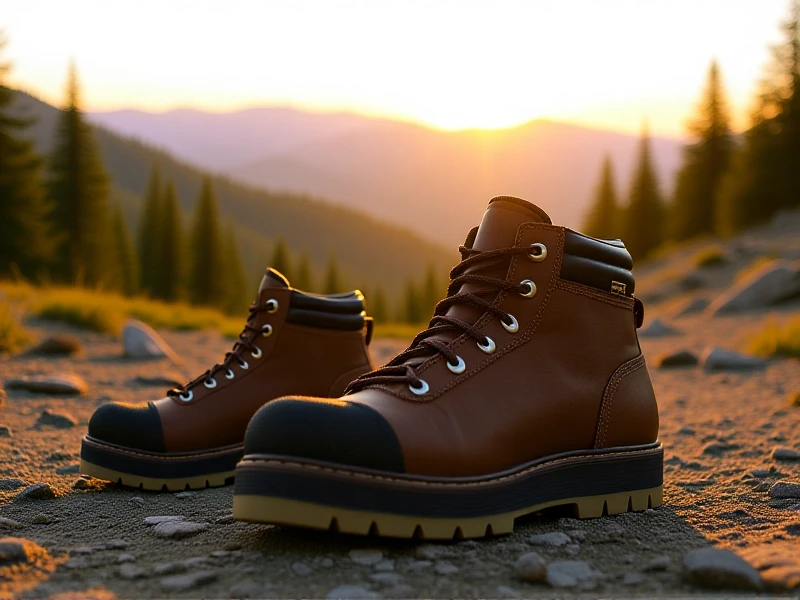
Your adventure awaits! Whether tackling a gentle forest trail or conquering a rugged mountain summit, the right hiking shoes are your most crucial gear. Forget blisters, sore feet, and unstable slips. Investing in the best hiking shoes transforms every step from a chore into pure trail joy. Here’s what you need to know to find your perfect pair:
Know Your Terrain & Your Trip:
- Trail Runners (Low-Cut): Perfect for smooth, packed trails, day hikes with a light pack, and speed. They are lightest and most flexible but offer minimal ankle support and protection.
- Hiking Shoes (Mid-Cut): The true stars of the category! Excellent all-rounders providing balance, support, stability, and protection for most terrain – dirt paths, rocky sections, moderate inclines. They shield your ankles better than trail runners.
- Hiking Boots (High-Cut): Built for carrying heavier loads, serious backpacking trips, technical terrain, steep ascents/descents, and maximum ankle support over uneven or unstable ground. Prioritize support and protection over weight.
Key Features Every Hiking Shoe Needs:
- Rock-Solid Traction: The hiking shoe sole is paramount. Look for aggressively lugged, deep-patterned “outsoles” made from durable, sticky rubber compounds (like Vibram). This grip is non-negotiable on wet roots, loose scree, and muddy patches.
- Defensive Build: Trail debris is sneaky. A protective “toe rand” shields your toes from stubbing rocks. A secure “heel counter” locks your heel in place, preventing slippage. Flexible yet protective midsoles shield your feet from sharp objects underfoot.
- Waterproofing (Or Not): Breathable waterproof membranes (like Gore-Tex) are crucial for hiking in consistently wet, muddy conditions, near streams, or in cooler climates. However, they add weight and reduce breathability. For hot, dry trails where quick drying matters most, breathable non-waterproof mesh wins – they just won’t keep water out.
- Support That Stops Wobbles: Even lightweight hiking shoes must deliver support through cushioning and often integrated torsion control systems. This minimizes foot fatigue and rolls on uneven trails. Look for midsoles designed for stability without excessive stiffness.
Maximizing Comfort for Mile Munching:
- Get the Fit EXACTLY Right: Proper fit above all else! Shop late afternoon (when feet are larger), wear the socks you’ll hike in, and take time walking on an incline if possible. Leave about a thumb’s width of space beyond your longest toe to prevent downhill jamming. Your heel must stay locked down, midfoot secure.
- Break Them In Slowly: NEVER start a major hike in brand-new hiking shoes. Wear them extensively at home, on short walks, and during errands to soften materials and mold them to your foot shape.
Maintain Your Hiking Footwear: Treat your hiking shoes well. Clean off mud regularly – a stiff brush and cool water work wonders. Stuff them with old paper to help retain shape and absorb moisture as they air dry naturally, away from direct heat. Reapply specialized footwear DWR treatment occasionally for water resistance and to protect materials.
Choosing the ideal hiking shoes isn't about the latest fashion. It's about empowering your feet to explore confidently, comfortably, and safely. Prioritize the fit, the features matching your terrain, and proven traction. With the right shoes underfoot, the trail’s potential is limitless. Happy trails!